

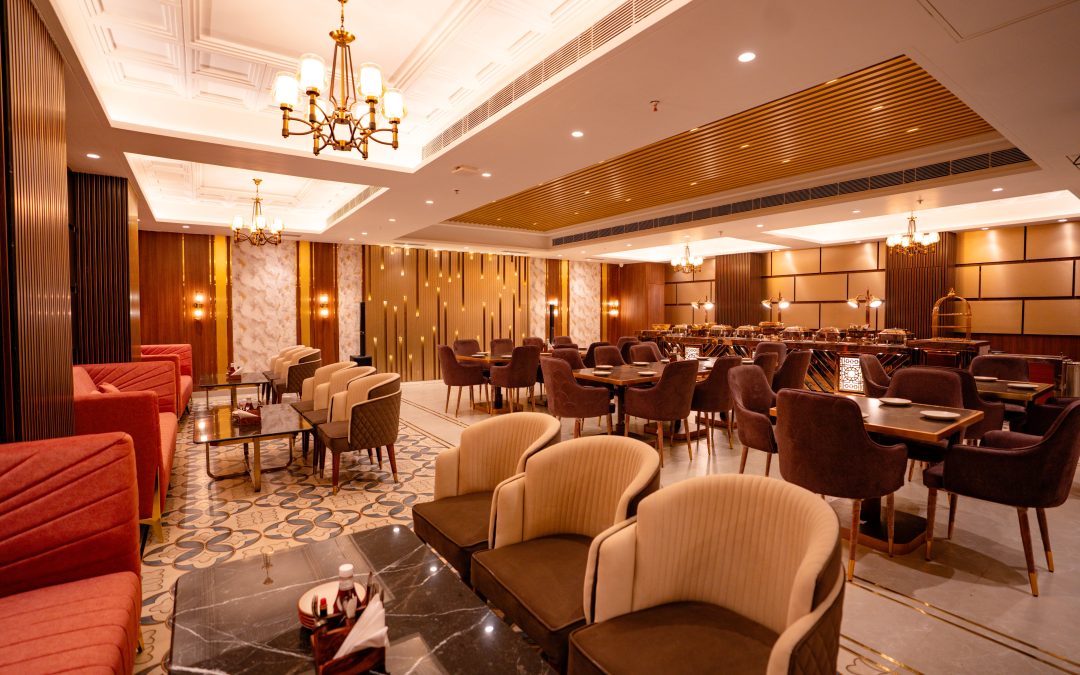
In the hospitality industry, first impressions matter. Guests notice the atmosphere of a hotel lobby, the comfort of a restaurant chair and the cleanliness of the furniture around them. While great service and beautiful interiors help create a memorable experience, stained or worn upholstery can quickly spoil an otherwise welcoming space.
For hotel owners, restaurant operators and hospitality managers, keeping upholstered furniture looking its best is an ongoing challenge. Coffee spills, food stains, sunscreen, makeup, body oils and constant use all take their toll on fabrics.
The good news is that protecting commercial upholstery doesn’t have to mean replacing furniture every few years or spending a fortune on cleaning.
With the right materials, regular maintenance and professional stain protection for fabrics, businesses can help their furniture stay cleaner, look better and last longer.
Why Upholstery Takes Such a Beating in Hospitality Venues
Unlike furniture in a private home, commercial upholstery is used by dozens, sometimes hundreds, of people every day.
Think about a busy restaurant during a Friday night dinner service. Chairs are constantly being moved, guests accidentally spill drinks, and food crumbs find their way into seams and cushions.
Hotels face similar challenges. Lobby sofas accommodate guests checking in and out, lounge chairs see a steady stream of visitors, and upholstered headboards may be exposed to makeup, hair products and everyday contact.
Over time, these small incidents add up.
Common causes of upholstery damage include:
- Food and drink spills: Coffee, red wine, sauces and oily foods can leave stubborn stains.
- Body oils and perspiration: Regular contact can cause discolouration, particularly on armrests and headrests.
- Dirt and dust: Fine particles can settle into fabric fibres and contribute to wear.
- Sunlight exposure: UV radiation can gradually fade certain fabrics, especially near large windows.
- Constant friction: Repeated sitting, movement and cleaning can affect fabric appearance and texture.
- Incorrect cleaning methods: Harsh chemicals or excessive moisture can damage delicate materials.
While some wear is unavoidable, much of the staining and premature deterioration can be reduced through sensible preventive care.
1. Choose Upholstery Fabrics That Suit Commercial Environments
One of the most effective ways to protect hotel and restaurant furniture is to start with the right fabric.
A beautiful material might look impressive in a showroom, but that doesn’t necessarily mean it can handle the demands of a busy hospitality venue.
When selecting upholstery, consider durability, cleanability and how the fabric will perform under regular use.
Look for Commercial-Grade Materials
Commercial-grade upholstery is generally designed and tested for more demanding environments than typical residential fabrics.
Depending on the application, suitable options may include tightly woven synthetic blends, selected performance textiles and fabrics specifically manufactured for hospitality seating.
Ask suppliers about abrasion resistance, pilling, colourfastness and recommended cleaning procedures.
A high abrasion-test result can be useful, but it shouldn’t be the only factor in your decision. Construction quality, seam strength and the intended use of the furniture also matter.
Think Carefully About Colour and Texture
Light-coloured furniture can create a sophisticated, welcoming atmosphere, but it may show certain stains and marks more readily.
Darker colours and patterned fabrics can help disguise minor soiling between cleaning sessions.
However, colour alone won’t prevent staining. Even dark upholstery can develop visible grease marks, faded patches and uneven wear.
The best approach is to choose a fabric that suits your venue’s design while providing practical performance.
2. Invest in Professional Commercial Upholstery Protection
One of the smartest preventive measures for hospitality businesses is applying a professional fabric protection treatment.
Commercial upholstery protection is designed to help reduce the impact of everyday spills and staining, making routine furniture care more manageable.
Depending on the product and fabric, protective treatments can help limit how quickly certain liquids penetrate upholstery fibres.
This gives staff valuable time to respond before a spill becomes a difficult stain.
How Does Fabric Stain Protection Work?
Professional fabric protection treatments generally work by applying a protective finish to the textile.
Some treatments create a water- or oil-repellent effect, helping suitable liquids bead on the surface rather than immediately soaking into the fibres.
For example, if a guest spills coffee onto a treated restaurant chair, the liquid may remain on the surface long enough for staff to blot it away.
On untreated upholstery, the same spill may absorb more quickly, potentially making removal more difficult.
It’s important to understand that fabric protection is not a guarantee against every stain. Results depend on the fabric, treatment chemistry, type of spill and how quickly it is cleaned.
Nevertheless, professionally applied protection can be a valuable part of a broader upholstery maintenance program.
FabricSeal by Australian Hi-Tech Fabric Treatments
Australian Hi-Tech Fabric Treatments offers FabricSeal, a professional fabric protection solution for suitable textile applications.
For hospitality businesses looking to protect their upholstered furniture, FabricSeal may help improve resistance to everyday spills and soiling when applied to compatible fabrics.
Whether you’re furnishing a new restaurant, refreshing a hotel lobby or maintaining existing commercial seating, professional treatment is worth considering before staining becomes a recurring problem.
Learn more about FabricSeal fabric protection.
3. Clean Spills Immediately Before They Become Permanent Stains
Even with protective treatments, prompt cleaning is essential.
The longer a spill remains on upholstery, the greater the chance it will penetrate the fabric or leave a visible mark.
Hospitality staff should know how to respond to common spills without making the situation worse.
A Simple Spill-Response Routine
Step 1: Remove any excess material.
For food spills, carefully lift away solid residue using a spoon or another blunt tool. Avoid pushing the material deeper into the fabric.
Step 2: Blot rather than rub.
Use a clean, absorbent white cloth to gently blot the affected area.
Rubbing can spread the stain, damage the fabric surface or drive the substance further into the fibres.
Step 3: Check the manufacturer’s cleaning instructions.
Different upholstery fabrics require different cleaning methods. Some can tolerate water-based cleaning, while others need specialist products or professional attention.
Step 4: Use only approved cleaning solutions.
Avoid experimenting with household detergents, bleach or strong chemicals. Always test an approved product in an inconspicuous area first.
Step 5: Allow the fabric to dry properly.
Excess moisture can create additional problems, particularly in thick cushions and upholstered seating.
If a stain persists, professional upholstery cleaning may be the safest option.
A clear cleaning procedure helps staff act confidently and consistently, especially during busy service periods.
4. Establish a Regular Upholstery Maintenance Schedule
Many hospitality businesses focus on cleaning furniture only when stains become noticeable.
Unfortunately, by that stage, dirt and oils may already have accumulated within the fabric.
A preventive maintenance schedule is generally more effective than relying on occasional deep cleaning.
Daily Maintenance
During routine cleaning, staff should inspect upholstered furniture for visible spills, crumbs and marks.
Fresh stains should be addressed promptly using the appropriate cleaning method.
In restaurants, particular attention should be paid to dining chairs, banquettes and booth seating.
Weekly Maintenance
Vacuum upholstered furniture using a suitable upholstery attachment to remove loose dust, crumbs and debris.
Pay attention to seams, crevices and areas where cushions meet the furniture frame.
Regular vacuuming helps reduce the accumulation of abrasive particles that can contribute to fabric wear.
Periodic Professional Cleaning
Even well-maintained upholstery may eventually require professional cleaning.
The appropriate frequency depends on how heavily the furniture is used, the type of fabric and the conditions within the venue.
A busy restaurant may require more frequent attention than a private hotel meeting room.
Professional cleaners should be informed about any existing fabric protection treatments so they can select compatible cleaning methods.
5. Protect Upholstery from Sunlight and Fading
Stains aren’t the only threat to commercial upholstery.
In Australia, strong sunlight can gradually affect the colour and appearance of fabrics, particularly in venues with large windows or extensive natural light.
Hotel lounges, waterfront restaurants and café seating positioned near glass doors may be especially exposed.
Over time, prolonged UV exposure can contribute to fading and uneven colour changes.
To help reduce sunlight-related damage:
- Use blinds, curtains or other window coverings during periods of intense sunlight.
- Consider suitable UV-filtering window treatments.
- Rotate movable furniture where practical to reduce uneven exposure.
- Choose upholstery with appropriate lightfastness ratings.
- Investigate professional UV fabric protection for compatible materials.
Australian Hi-Tech Fabric Treatments also offers FadeSeal, a treatment intended to help protect suitable textiles against fading.
UV protection should be considered alongside fabric selection and environmental controls, rather than as a substitute for them.
6. Train Staff to Care for Upholstered Furniture Properly
Your employees play an important role in keeping furniture presentable.
Even the best fabric protection treatment cannot compensate for poor cleaning habits or spills that are repeatedly ignored.
Staff training doesn’t need to be complicated.
A short induction covering spill response, approved cleaning products and reporting procedures can make a meaningful difference.
For example, restaurant staff should know what to do when a guest spills wine on a chair, while hotel housekeeping teams should understand how to identify and report marks on upholstered headboards.
It can also help to keep a small upholstery cleaning kit accessible to authorised staff.
The kit might contain clean white cloths, suitable absorbent materials and cleaning products approved for the venue’s upholstery.
Consistency is more important than complicated procedures.
When everyone follows the same maintenance approach, it’s easier to manage upholstery care across multiple rooms, floors or venues.
7. Understand When Fabric Protection May Need Reapplication
A common question from hospitality managers is whether professional stain protection lasts forever.
The answer is no.
The performance of a fabric protection treatment can change over time due to use, abrasion, cleaning and exposure to environmental conditions.
Furniture in high-contact areas may experience greater wear than upholstery in quieter spaces.
The appropriate reapplication interval depends on the product, fabric, usage and cleaning history.
Rather than relying on a fixed timetable, ask your fabric treatment provider to recommend an inspection and maintenance schedule suited to your venue.
It’s also worth checking whether professional cleaning could affect an existing treatment.
For businesses managing large quantities of upholstered furniture, keeping basic records of treatment dates and cleaning history can help with future maintenance planning.
8. Consider the Long-Term Cost of Upholstery Replacement
Replacing commercial furniture can be expensive.
The cost isn’t limited to purchasing new chairs or sofas. Businesses may also face delivery charges, installation costs, disposal expenses and operational disruption.
For a hotel with dozens of upholstered lounge chairs or a restaurant with extensive booth seating, these costs can quickly become significant.
Protecting existing furniture is therefore worth considering as part of an asset maintenance strategy.
A sensible approach combines durable upholstery, professional fabric protection, regular cleaning and timely repairs.
While no treatment can prevent all damage or eliminate replacement costs, reducing avoidable staining may help businesses maintain furniture in a presentable condition for longer.
This can be particularly valuable for venues that have invested in custom upholstery or coordinated interior designs.
Before committing to treatment, ask about compatibility, expected performance, maintenance requirements and overall cost.
9. Include Fabric Protection in New Fit-Outs and Refurbishments
The ideal time to consider upholstery protection is often before furniture enters daily service.
During a hotel refurbishment or restaurant fit-out, owners and designers are already making decisions about materials, durability and maintenance.
Including fabric protection in these discussions can help avoid unnecessary complications later.
Interior designers, furniture manufacturers, fit-out contractors and venue operators should communicate early about the intended textile applications.
It’s important to confirm that any proposed treatment is compatible with the fabric and does not adversely affect its appearance, feel or relevant performance requirements.
Where fire performance requirements apply, fabric protection must also be considered in conjunction with the relevant fire safety specifications.
A stain-resistant finish should never be assumed to provide flame-retardant performance.
Planning ahead allows businesses to select appropriate materials and treatments before furniture is exposed to everyday hospitality use.
10. Work with an Experienced Australian Fabric Treatment Specialist
Not all fabrics respond to treatments in the same way.
Velvet, linen, cotton blends, polyester upholstery and other specialty textiles can have different characteristics and care requirements.
A treatment suitable for one fabric may not be appropriate for another.
That’s why professional advice is valuable, especially for commercial environments where appearance, durability and compliance may all be important.
Australian Hi-Tech Fabric Treatments provides specialist textile treatment solutions, including FabricSeal for fabric protection, FlameSeal for flame-retardant applications, MediSeal for antimicrobial applications and FadeSeal for UV-related protection.
The right solution depends on the fabric, its intended use and the performance required.
Final Thoughts: Prevention Is Better Than Replacement
Hotel and restaurant upholstery is constantly exposed to spills, stains, friction and everyday use.
While these challenges are part of operating a busy hospitality venue, premature staining and deterioration don’t have to be accepted as inevitable.
Choosing durable fabrics, training staff, responding quickly to spills and following a consistent cleaning schedule can all help maintain the appearance of commercial furniture.
Adding professional stain protection for fabrics provides another layer of preventive care.
For hospitality operators who want to maintain attractive interiors while managing ongoing furniture maintenance, commercial upholstery protection is a practical investment to explore.
Protect Your Commercial Upholstery with FabricSeal
Whether you’re opening a new restaurant, upgrading a hotel or looking after an established hospitality venue, Australian Hi-Tech Fabric Treatments can help you explore suitable fabric protection options.
Discover how FabricSeal could support your upholstery maintenance strategy.Learn more about FabricSeal or contact Australian Hi-Tech Fabric Treatments to discuss your commercial fabric protection requirements.